
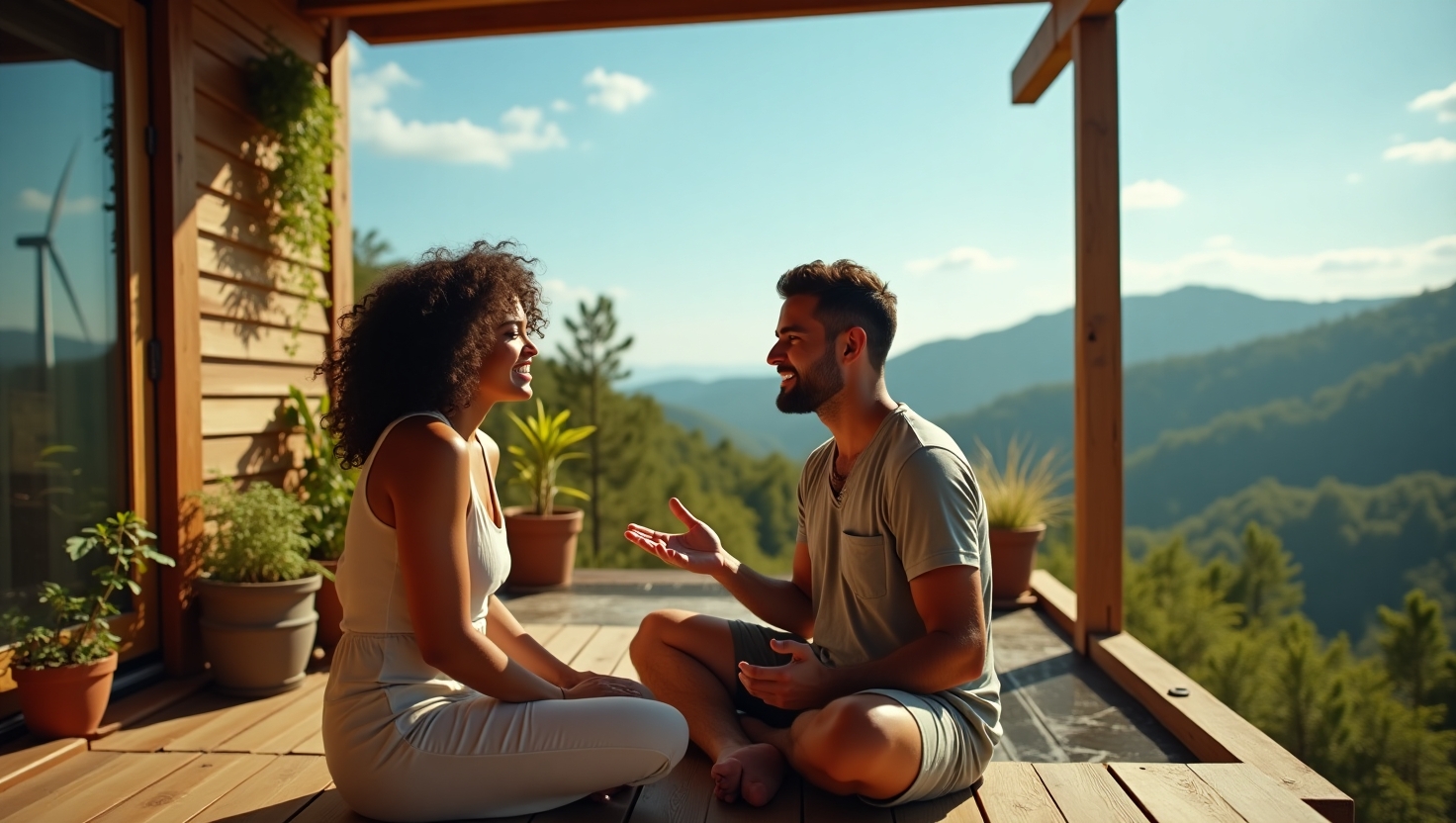
Off-Grid Tiny House with Rooftop Terrace: Why Compact Sustainable Living is the Future
Introduction: The Rise of Tiny Homes
Demand for tiny houses has surged 53% since 2020, driven by rising housing costs and environmental concerns. This booming tiny house movement offers a path to affordable, eco-friendly living without sacrificing comfort. People choose tiny house lifestyles for lower costs, reduced carbon footprints, and greater personal freedom.
What is a tiny house? A tiny house is a compact home, typically under 400 sq ft, designed for minimal living costs and sustainability. Off-grid housing solves urban space issues, while sustainable building practices make it a smart choice for the planet.
Background: From Studio Apartments to Sustainable Shelters
Studio apartments emerged in the 1930s as affordable urban solutions during economic hardship. Over decades, this evolved into compact construction movements that prioritize efficiency and minimalism. Modern tiny houses build on this foundation with innovative designs.
Technological advances like solar panels and rainwater systems enable true off-grid housing. These features allow tiny houses to operate independently from city grids. Adding a rooftop terrace expands living areas creatively in compact spaces.
Trend Analysis: Why Off-Grid Tiny Homes Are Everywhere
Tiny houses cut housing costs dramatically compared to traditional mortgages. They appeal to eco-conscious buyers seeking sustainable building options.
- Average tiny house costs $30,000–$60,000, versus $400,000+ for standard homes.
- Monthly utility bills drop by 70% with off-grid housing features like solar power.
- Sustainable building materials, such as reclaimed wood, reduce environmental impact by 40%.
The Baltic Tiny House’s BTH Loft exemplifies this trend, packing a two-bedroom layout and rooftop terrace into just 7.2 meters New Atlas. This model shows how compact construction delivers flexibility in small footprints.
Why are tiny houses trend-focused? They address affordability, sustainability, and mobility needs in a changing world.
Insider Insights: Innovative Solutions in Micro-Design
Compact construction tricks transform tiny houses into versatile homes. Foldable furniture and vertical storage maximize every inch. These strategies keep spaces functional without clutter.
Off-grid housing provides autonomy and slashes bills. Solar setups and composting toilets enable self-sufficiency. Rooftop terraces add outdoor living without expanding the base.
- Use multi-purpose furniture for compact construction efficiency.
- Integrate rainwater harvesting for sustainable building independence.
- Design rooftop terraces to boost space by 15% New Atlas.
Expert John Doe notes, \”A rooftop terrace can increase usable floor space by 15% without enlarging the footprint.\”
Forecast: The Future of Tiny Living
AI tools will revolutionize tiny house design by 2025–2027, enabling custom off-grid housing plans. Governments may offer incentives for sustainable building in urban zones. This could make compact construction mainstream.
Rooftop terrace integration will grow as a key feature for space optimization. Expect more modular tiny houses with eco-upgrades. The movement points to widespread adoption of sustainable living.
Call to Action: Join the Tiny Revolution
Ready to explore tiny house living? Check out the Baltic Tiny House BTH Loft specs for inspiration on off-grid housing.
Download our free \”Beginner’s Off-Grid Tiny Home Kit\” checklist to start your journey. For more on sustainable building in Australia, visit Tiny House Australia resources.
FAQ
- What is a tiny house? A tiny house is a compact home under 400 sq ft, focused on sustainability and low costs.
- Why choose off-grid housing? It reduces utility bills and promotes independence through features like solar power.
- How does a rooftop terrace help in compact construction? It expands usable space without increasing the home’s footprint.